Healing Across Borders: The Ultimate Medical Tourism Guide
In an increasingly interconnected world, healthcare is no longer bound by geography. Every year, millions of people travel internationally for medical, dental, and wellness treatments. This practice, known as medical tourism, offers access to world-class medical specialists, cutting-edge technologies, and highly cost-effective procedures.
However, seeking medical treatment in a foreign country requires careful, meticulous planning. Unlike a standard holiday, a medical journey demands thorough preparation to ensure patient safety, legal protection, and a smooth recovery.
Thorough research and consultation are the foundation of a successful medical tourism journey.
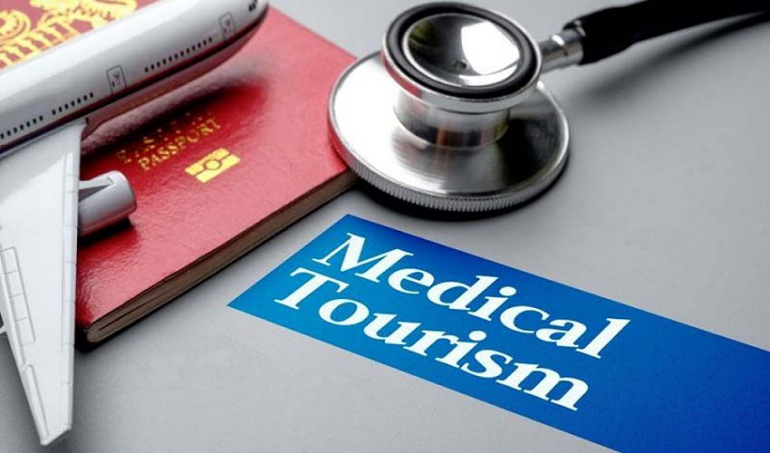
The Patient’s Roadmap: Critical Prep Steps Before You Pack
To guarantee a safe and successful medical journey, every patient should adhere to the following roadmap before booking their flights:
1. Research and Verify Healthcare Credentials
Do not rely solely on slick marketing or social media testimonials.
- Institutional Accreditation: Look for hospitals accredited by recognized global bodies such as Joint Commission International (JCI). JCI accreditation ensures the facility meets strict international standards for patient safety and healthcare quality.
- Surgeon Qualifications: Verify that your treating physician is board-certified, belongs to recognized professional associations, and has extensive experience performing your specific procedure.
2. Consult Your Primary Local Doctor
Your local healthcare team is an invaluable asset.
- Discuss your travel and treatment plans with your local primary physician. They can assess if you are physically fit to travel and undergo surgery.
- Obtain a full, certified copy of your medical records, imaging (MRIs, X-rays), and laboratory results to share with the international hospital.
3. Account for Hidden Costs and Create a Financial Plan
Medical tourism is often highly affordable, but patients must plan for expenses beyond the hospital bill.
- Factor in the cost of flights, local transport, hotel accommodations for your companion, daily meals, post-operative medications, and follow-up consultations.
- Ensure you have a secure, international payment method and check if your local bank will charge heavy conversion fees.
4. Plan for Post-Treatment Recovery and Travel Risks
One of the most overlooked aspects of medical travel is the return journey.
- Flying After Surgery: Air travel soon after surgery increases the risk of deep vein thrombosis (DVT) or blood clots. Ask your surgeon exactly how many days you must wait before it is safe to board a flight.
- Aftercare Accommodation: Arrange to stay in a comfortable, clean hotel close to the clinic during your initial recovery phase.
A successful medical trip requires aligning flight times, medical appointments, and recovery schedules.
5. Secure Specialized Medical Travel Insurance
Standard travel insurance policies do not cover elective medical procedures or medical complications resulting from surgery abroad.
- Purchase a specialized medical tourism insurance policy.
- This policy should cover emergency complications, extended hospital stays, and travel itinerary changes due to medical delays.
Pre-Departure Checklist for Medical Tourists
Before leaving your home country, ensure you have checked off the following items:
- [ ] Accreditation Checked: Verified JCI or equivalent certification of the hospital.
- [ ] Medical Records: Obtained physical and digital copies of all recent medical history.
- [ ] Written Contract: Signed a detailed agreement outlining costs, procedures, and complication protocols.
- [ ] Passports & Visas: Confirmed passport is valid for at least 6 months; secured appropriate medical visas if required.
- [ ] Fit-to-Fly Letter: Secured a formal approval letter from the international surgeon allowing you to fly home post-op.
- [ ] Local Follow-Up Care: Arranged a doctor in your home country who is willing to manage your follow-up care and remove stitches if necessary.